
10 best BMW K100 cafe racer builds for inspiration
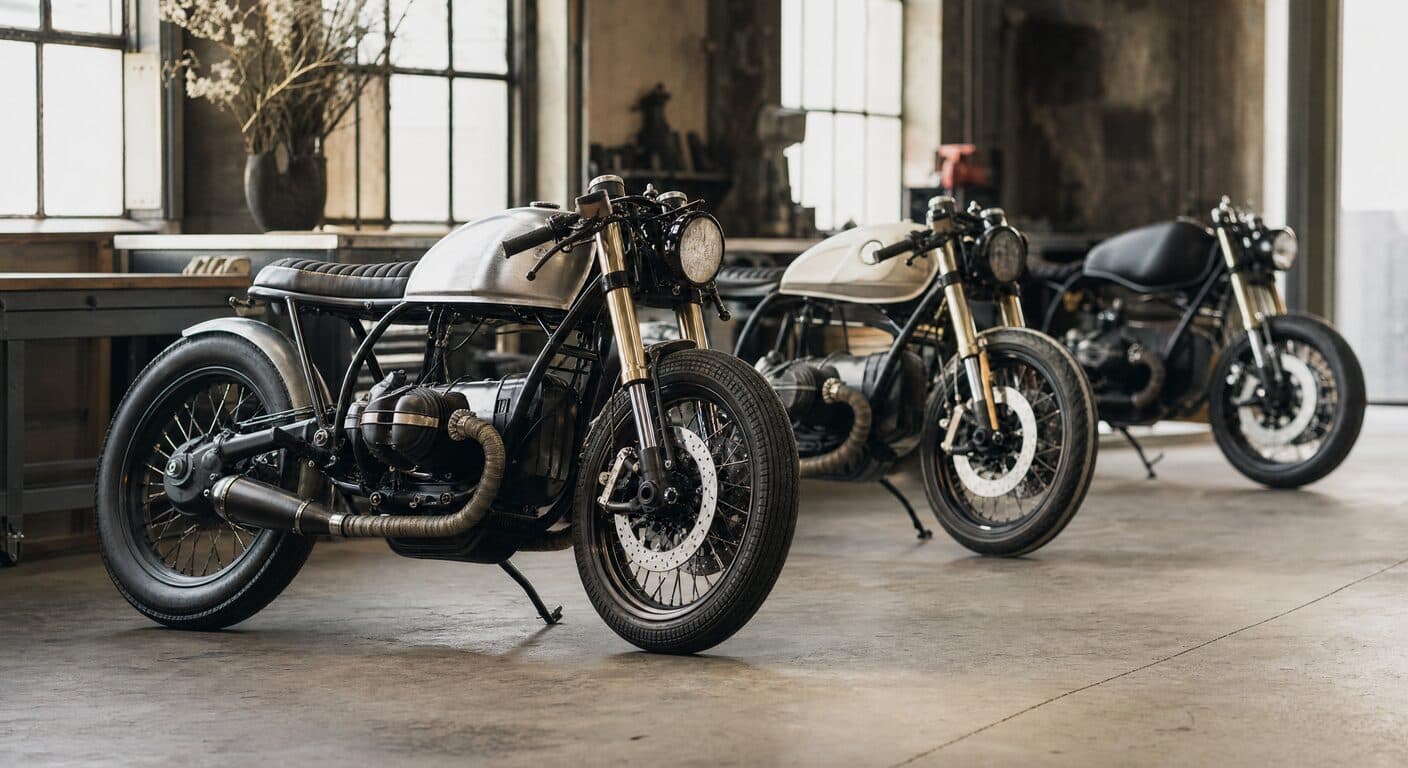
The BMW K100 is perhaps the most underrated classic in the motorcycle scene. While everyone is crazy about air-cooled boxers, that inline-four cylinder sits on a goldmine of potential for cafe racer builds. The K100 has everything you need: a reliable motor, good weight, and a chassis that lends itself perfectly to being transformed into something special. We've picked out some particularly beautiful BMW K100 cafe racer inspiration builds for you that show where you can start.
1. the classic retro-minimalist approach
Clean lines and simplicity
This build starts by stripping away what isn't needed. Remove that overly designed plastic fairing and put an elegant, rounded cafe racer tank on it. The secret here is subtlety – you want the motor itself to steal the show, not excessive chrome or decoration.
Most builders opt for a vintage-style tank of around 12-15 liters that fits well on the K100 frame. Combine this with a clean dashboard and you already have something quite distinctive. Add minimalist rear lights underneath – modern enough to be reliable, but classic enough to fit the picture.
With lighting, you can do really well with Kellermann lighting – their Micro 1000 headlights give that perfect retro look without sacrificing visibility. These setups are popular because they work with virtually any frame.
2. the modern classic: tech-integrated K100
Old styling with a digital heart
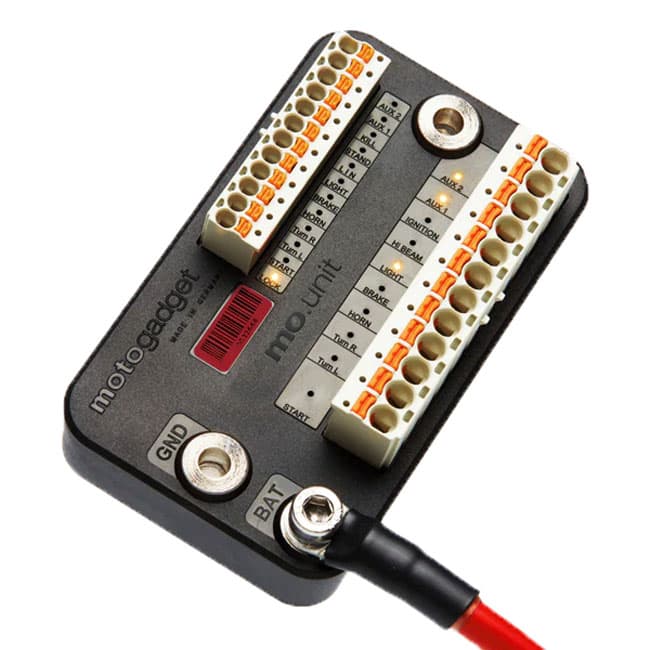
This is where it gets interesting. You keep the classic appearance, but hide modern electronics under the surface. The Motogadget m-Unit is your best friend here – this ultracompact electronic control center fits in a small box under the seat and completely eliminates that bulky original wiring.
With the m-Unit you can fully customize all functions – LED lighting, handlebar controls, engine management – all via your phone. The K100 gets the heart of 2024 while still looking like 1985. That's BMW K100 cafe racer inspiration at its finest.
These kinds of builds are technically more complex, but the result is a machine that's reliable, easy to maintain, and extraordinarily clean inside.
3. track-focused lightweight racer
Performance through weight reduction
A K100 weighs almost 240 kilos. For a cafe racer that's far from ideal. Serious builders tackle this with carbon parts, titanium exhausts and removing everything that isn't essential.
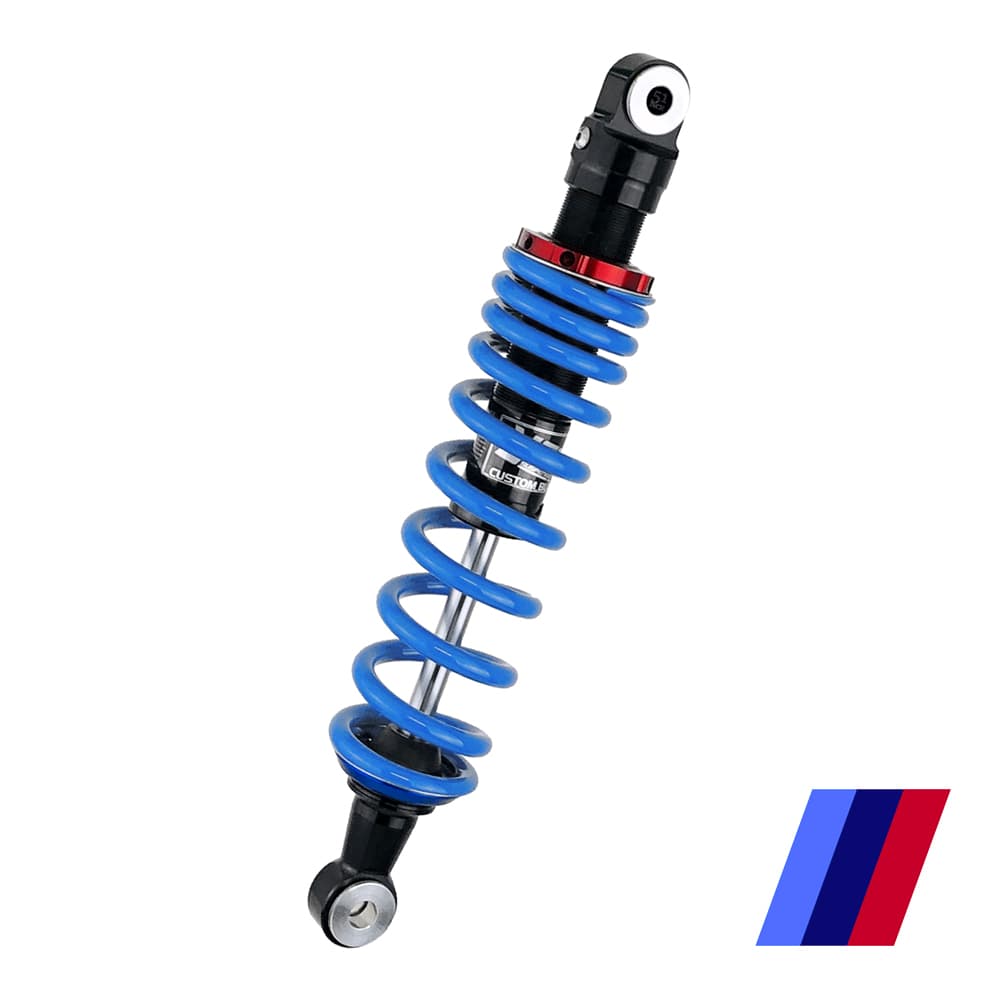
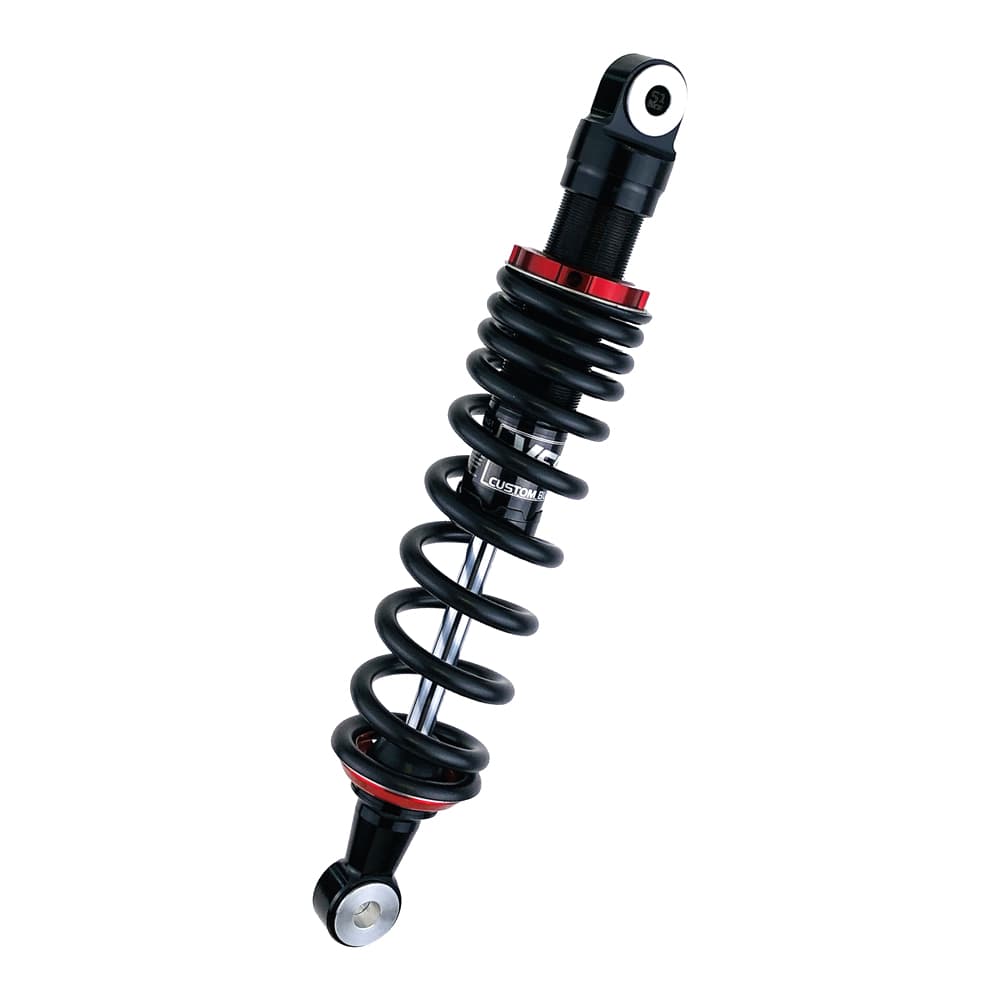
Swap out the standard rear suspension for YSS K100 shock absorbers – these are progressive units specifically designed for classic BMWs. They give you much more control over the chassis than the original suspension, with noticeably better handling and riding comfort.
Add a classic clip-on handlebar, a lower seat and you're already 15-20 kilos lighter. The K100 becomes really agile and fun to ride, not just nice to look at.
4. the scrambler evolution
K100 off-road attitude
This is an interesting direction – people take the reliability of the K100 and give it scrambler character. Put on higher handlebars, knobby tires, a larger capacity tank and you have something quite unexpected.
This concept works better than you'd think. The K100 has enough grunt to not feel hopeless on gravel, and the motor's low center of gravity helps with balance. It also looks fantastic – truly something different from all the other cafe racers.
For these builds a good suspension setup is crucial. YSS also makes height-adjustable units that get your front end a couple of centimeters higher without messing up the ride characteristics.
5. the naked statement piece
Minimalism to the extreme
Strip everything. Tank, small round rear light, bare motor. These kinds of builds can be incredibly beautiful if done right, but it requires real design discipline.
What's interesting about this approach is that you actually see the K100 motor – those four cylinders in line are visually impressive when you don't hide them under plastic. Add retro-style line details to the airbox and you have art.
This is also where Kellermann lighting shows its full potential. Small, elegant headlights and rear lights become much more prominent as part of the design when there's no surrounding plastic shroud.
6. the full custom build: unrecognizable as a K100
Total transformation
Some builders go all out. Custom frame, custom engine blocks, specially made cooling system routing, everything handmade. These are the builds where you ask yourself two years later: was this actually still an original K100?
These projects require more serious skills – welding, machining precision, and a thorough understanding of K100 mechanics. But the result can be absolutely massive. These are not so much cafe racers anymore as works of art that happen to have two wheels.
If you go this route, you need to make the right electronics choice. The Motogadget m-Unit is essential here because you probably won't be able to use any of the original wiring.
7. the retro-futurist hybrid
The '80s illuminated by today
This is a fascinating middle ground – you keep the BMW K100 cafe racer inspiration of the original design, but you modernize specific elements in a deliberate way. Maybe an original tank/seat block, but with LED lighting, a digital speedometer in a classic round housing and modern brakes.
This type of build feels like driving in a time machine – everything feels like it came from the same moment, even if it didn't. It requires patience to find the right parts that go well together.
YSS shock absorbers are perfect here because they maintain the classic appearance while offering modern comfort and technology – exactly what this concept needs.
8. the café racer purist
Where it all started
This is how the original cafe racers were built – clip-ons, rear-mounted seat, speedy tank, ease of drive. Nothing extravagant, everything focused on rider positioning and appearance.
These builds are just... good. They work because the design concept is decades old and proven. You don't need to do much more than use quality parts and pay attention to proportions.
What makes this unique for the K100 is that this motor actually delivers decent power – more than the original cafe racer motors. So you get classic styling with modern performance.
9. the shop-built showstopper
Professionalism and detail
These are the builds you see at international bike shows – everything perfectly tuned, valid tolerances, every detail considered. These are machines where you can see someone spent months on them.
What characterizes these builds is that you don't see any corner where the design is "just good enough." Custom seats with perfect stitching. Perfectly lined paintwork. All cables internally routed with the Motogadget m-Unit so you see no mess from the outside.
These are not projects for the home garage, but they inspire us all to work better. A good example can transform your whole view of what's possible.
10. the personal cruiser-cafe hybrid
Comfort meets style
This is probably what most people actually want – a K100 that looks fantastic, but is still comfortable on long rides. It's not a compromise, more intelligent design.
This means: a nice tank and quality seats (not rectangular and hard), some flow of air towards you, and ergonomic handlebar controls. Maybe a small windscreen, subtle.
These builds are more realistic for everyday motorcycles, which actually makes them much more interesting than the more extreme concepts. This is what people actually ride and enjoy. And with the right parts – a decent suspension setup with YSS dampers, good lighting from Kellermann – you can create something that works.
What makes a great K100 cafe racer build?
The criteria
Good BMW K100 cafe racer inspiration builds have a number of things in common. First: respect for proportions. The K100's frame and motor have certain ratios – you can't just slap a gigantic tank on the thing.
Second: original purpose. You don't have to change everything. Sometimes the right tank + the right light + the right suspension is enough to create something quite special.
Third: quality of execution. This might cost you more time or money, but the difference between something that looks good and something that looks extraordinary is usually in the details – the seamless connections, the accurate paintwork, the properly adjusted lighting.
Essential upgrade parts
For virtually every K100 cafe racer build you need the same core components:
- Good lighting: Kellermann's Micro 1000 headlights are classic, modern engineering, and exactly what you need
- Electronic system: The Motogadget m-Unit gives you control and space back
- Rear suspension: YSS progressive shock absorbers are made for this platform and deliver truly noticeable improvements
- Brakes: Actually, just put good brake pads on those original calipers – much better than you'd expect
- Exhaust: Custom titanium or stainless steel – the sound and visual impact of this detail are enormous
The process: how do you start your own build?
Step 1: dream collecting
Don't jump straight to welding. Collect images of builds that attract you. Note what you like about them – is it the silhouette? The color combination? The details?
Step 2: realistic evaluation
What can you do yourself? What do you need help with? A complete K100 cafe racer build can be anything from 2000 to 25000 euros, depending on ambition level. Plan your budget.
Step 3: mechanics first
Before you start painting or styling, make sure your motor and chassis run perfectly. This isn't funny – bad suspension or motor problems will destroy a beautiful build into nothing.
Install your electronic system (Motogadget m-Unit is crucial here), upgrade your lighting (Kellermann is the standard here), and install your YSS shock absorbers.
Step 4: tanks and seats
These are the two biggest visual elements. This is where you need to spend a lot of time looking for the right part. It doesn't have to be custom – sometimes the right vintage tank from another brand gives you exactly what you need.
Step 5: details
Paintwork, lines, small accents. These are the things that make people catch their breath.
Why the K100 for cafe racers?
The K100 is actually ideal for this purpose. It's light enough, reliable enough, and the frame adapts well. The four-cylinder motor looks great and has enough grunt for real riding.
Many people start with K100s because they're cheaper than R100s or K1100s, but then find that the result can be just as impressive. And honestly – a well-finished K100 cafe racer draws just as many looks as anything else on the street.
Where do you start with parts?
This is probably the trickiest question. You need tanks, seats, lighting, and components. For the essential electronic upgrade, you don't get past the Motogadget m-Unit – this is truly the best thing you can do for your wiring.
For lighting, Kellermann lighting is where real builders work – reliable, looks good, and made to last years.
For your chassis, YSS K100 shock absorbers are specifically designed for these motorcycles and the difference is noticeable.
For tanks, seats, and other body components you need to search seriously – the internet is your friend here, as are local builders who may have spare parts.
Conclusion: you can really do this
A BMW K100 cafe racer build doesn't have to be a scary project. Start small, think about what you like, and build step by step. Many of the best builds we see start as simple ideas that develop as the work progresses.
The K100 is an underrated base for this kind of work. It's reliable, relatively cheap as a starting point, and the end result can be absolutely spectacular. Especially with the right parts – Motogadget m-Unit, Kellermann lighting, and YSS K100 shock absorbers – you have everything you need to create something beautiful.
Ready to get started? Check out our shop or stop by. We have the parts you need, and we can help you think about what works for your vision. This is where BMW K100 cafe racer inspiration becomes reality.