

Motorcycling and hearing: earplugs, wind noise and protection
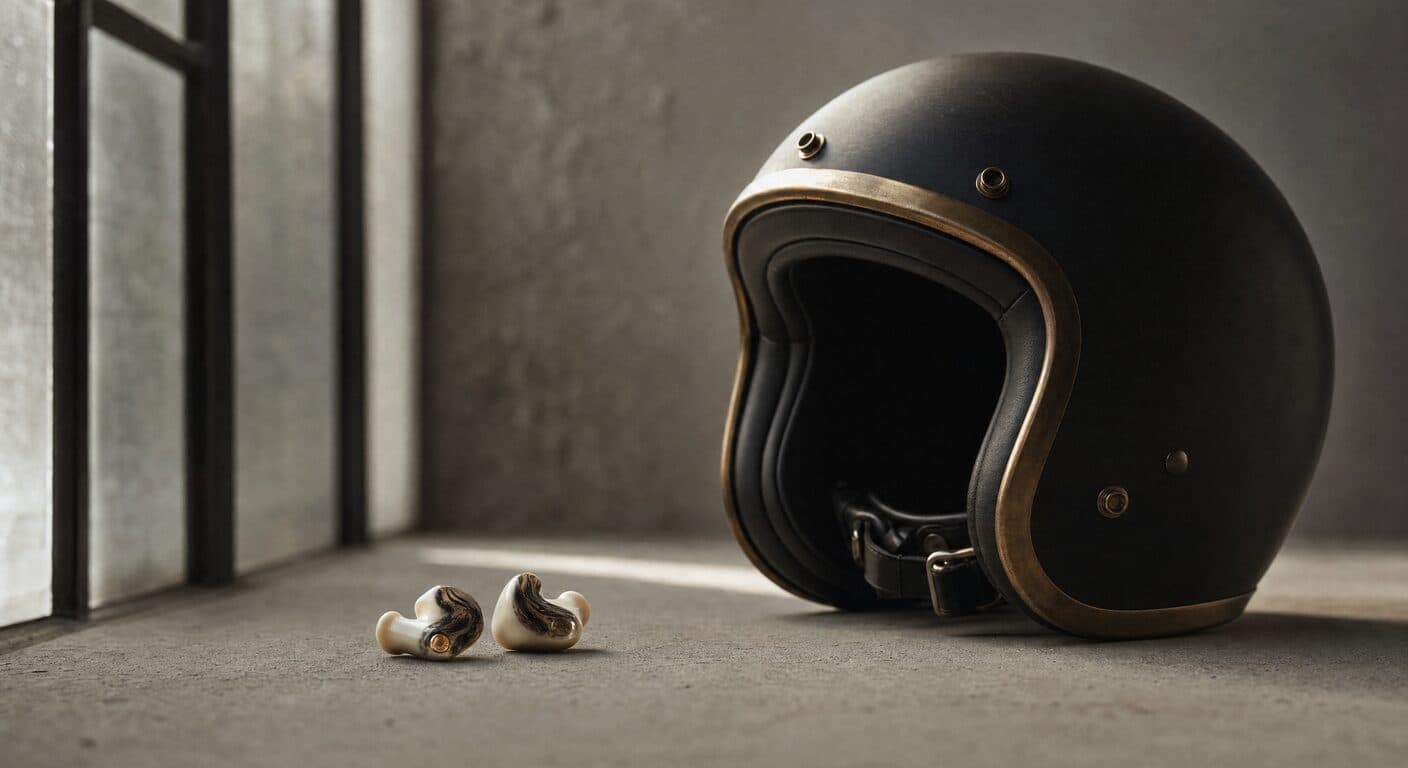
That ringing sound in your ears after a day of riding, we all know it. You're home, everything's quiet, but in your head it's still roaring. It's not a pleasant feeling, and worse: it's actually a warning that your hearing is taking damage. Many riders underestimate wind noise on a motorcycle, but the reality is that even at relatively modest speeds, you're exposed to sound levels that can cause permanent damage over time. Fortunately, you don't have to choose between safety and comfort, proper motorcycle ear protection can make your riding career not only more comfortable, but also much safer.
Just how bad is wind noise really?
Let's be honest: the sound you hear while riding isn't just annoying noise. This is about your health. Research shows that riders are already exposed to around 85 decibels at 80 kilometers per hour, that's the threshold where hearing damage begins. Ride faster, and it gets exponentially worse. At 160 kilometers per hour, you're talking 100+ decibels.
Those numbers might feel abstract, so compare it to this: 85 decibels is as loud as a vacuum cleaner close by, 95 decibels comes close to a busy construction site. And yes, you're exposed to it for hours on end. Repeated exposure to these sound levels leads to tinnitus (constant ringing in your ears), hearing loss, and even fatigue, because your body is constantly in a kind of stress mode.
The irony? Your helmet actually doesn't help much against this noise. Sure, a full-face helmet offers some isolation, but most of the noise is created by air turbulence along the helmet edge and around your neck. It is not sitting outside your helmet, it is generated at it.
Motorcycle ear protection: what are your options?
This is where it gets interesting. There are several ways to protect your hearing while still enjoying your ride. No single solution is perfect, but combined they give you maximum protection.
Foam earplugs: the classic approach
These are those cheap disposable things you might know from construction sites. You roll them up, stick them in your ear, and they expand. They actually work pretty well, properly inserted, they can dampen 20-30 decibels.
The problem? They isolate everything: traffic behind you, your engine, and communication. On a busy road that feels unsafe. Most riders also don't get them positioned correctly, which means they lose much of their effectiveness. And the harder you try to jam them in your ear, the more uncomfortable it gets.
Custom-made earplugs
This is a step up. You visit an audiology clinic, they make an impression of your ear, and you get bespoke earplugs. They're more comfortable than foam, and you can use them for years.
They also offer better selective sound isolation, depending on the material, they can be customized to dampen certain frequencies more than others. Perfect for motorcycle riding, because you want that low-frequency wind noise gone, but you still want to hear traffic.
Passive Noise-Isolating earplugs
There's a whole category of earplugs designed around the principle of passive isolation. They simply seal well and naturally dampen sound as a result. They're not as effective as foam, but much more comfortable and safer because you can still hear ambient sounds.
You can find these from suppliers who focus on riders. These often feature holes or channels so you can still communicate, while wind noise is still reduced.
The role of your helmet and fit
This cannot be stressed enough: how your helmet fits makes an enormous difference. A poorly fitting helmet creates angles and gaps where wind flows through and noise is created. Invest in a helmet that really fits, not just "good enough."
Retro helmets like those from DMD and Bell have classic aesthetics, but they also offer practical benefits. A full-face helmet helps, especially if you pay extra attention to the seal around your chin and ears.
Check that your nose guard and chin protection fit snugly. Some riders add extra sealing before inserting their earplugs, so you have two levels of isolation.
Practical tips for motorcycle ear protection
Here are concrete things you can do today:
1. Layer Your Protection
Good helmet + earplugs = much better result than earplugs alone. It's about cumulative effect.
2. Make Sure Your Earplugs Fit Properly
Whether you use foam or custom: if they don't fit right, they don't work. Take time to position them correctly. For foam: roll them up, wait a moment for them to relax, and make sure they sit deep enough.
3. Don't Ride Constantly at Top Speed
This is forward-thinking, but riders who love speed really need to realize that wind noise increases exponentially. Going full throttle now and then is fine, but hour after hour of racing is simply bad for your hearing.
4. Give Your Ears Breaks
After a long ride, take off your helmet and sit in silence. No music, no podcasts, just rest. Your hearing recovers faster when you give it rest periods.
5. Check Your Hearing Annually
Some audiologists offer free screenings. Know where you stand and monitor changes. Early detection really matters.
What have experienced riders learned?
Veterans in the motorcycle world, and yes, many of them stop by us, consistently tell the same story. They rode for years without protection, now regularly feel that ringing, and wish they'd done it sooner.
One piece of wisdom from that group: you don't have to feel protected to be effectively protected. Properly positioned earplugs become unnoticeable after a minute. Tinnitus you'll feel for the rest of your life.
The bigger picture
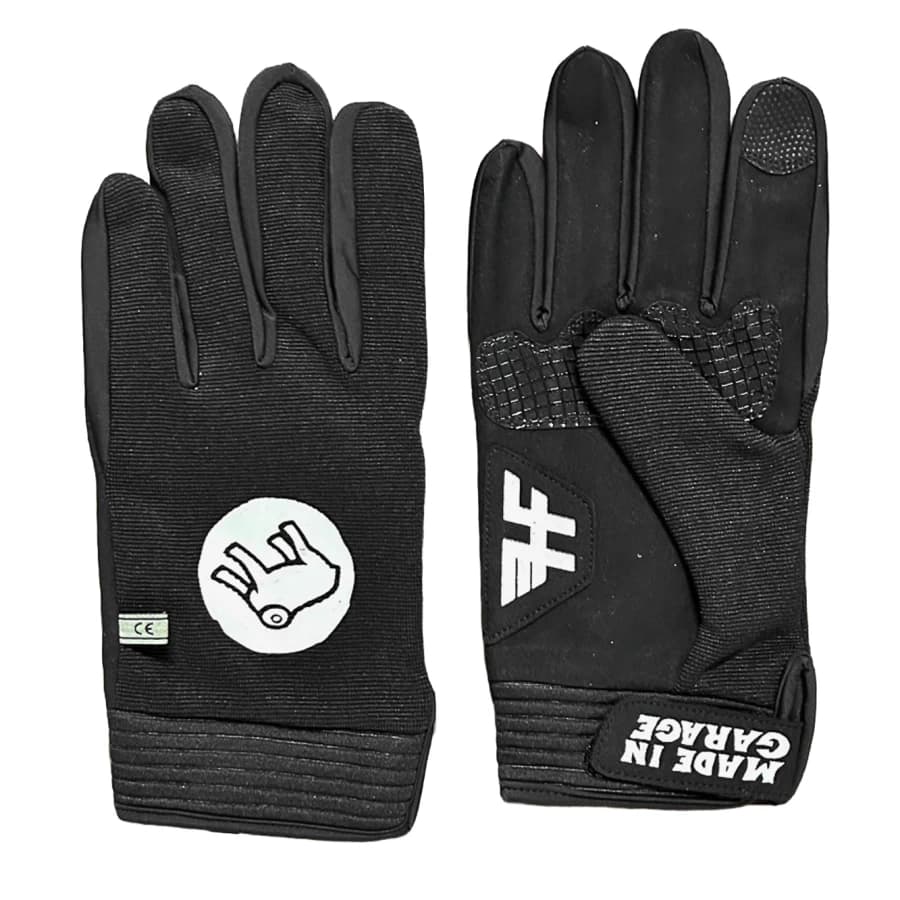
Your motorcycle ear protection is part of a larger story: responsible riding. Like a well-fitting helmet from DMD, Bell, or Roeg, or well-fitting gloves from Holy Freedom, it's about taking yourself seriously.
This is your hobby. This might be your passion. Protect yourself so you can enjoy it for the rest of your life.
Conclusion
Hearing is one of your most underestimated senses until you start losing it. Motorcycling doesn't have to mean sacrificing your hearing. The right combination of a properly fitting helmet, suitable earplugs, and smart riding habits protects you effectively without diminishing your enjoyment of the bike.
At Dapper Motor, we understand that true riders care not just about performance and aesthetics, they also look after themselves. That's why we've carefully curated a collection of Holy Freedom gloves and jackets, premium helmets from brands like DMD, Bell, and Roeg, and everything else you need to ride responsibly and comfortably.
Want to optimize your setup and get advice on the best helmet fit for you and your ears? Stop by or check out our selection at dappermotor.com. We're happy to help you choose the right protection.
Products from this article
Frequently asked questions
How many decibels is wind noise on a motorcycle?+
At 100 km/h you're already at 90-95 decibels, equivalent to heavy machinery. At 120 km/h you easily reach 100+ dB. This damages hearing with prolonged exposure. A good helmet with earplugs significantly reduces this.
What type of earplugs are best for motorcycle riding?+
Foam earplugs like Ohropax offer good isolation but muffle all sound. Better are custom-molded plugs that selectively attenuate, you still hear traffic and your engine, but wind noise is reduced. They're an investment, but your hearing is worth it.
Do earplugs affect your safety on a motorcycle?+
Properly fitted earplugs don't negatively impact your safety. You can still hear sirens, horns, and other riders. What you don't hear is the constant wind noise that distracts your focus. Many experienced riders actually use earplugs because it keeps them sharper.
How do you choose the right helmet to minimize hearing damage?+
A closed helmet (full-face or modular) offers much more protection against wind noise than an open helmet. Look for helmets with good aerodynamics and damping, brands like Bell and Roeg excel here. Always combine this with earplugs for maximum protection.