

Motorcycle tire pressure: how to choose and check the right pressure
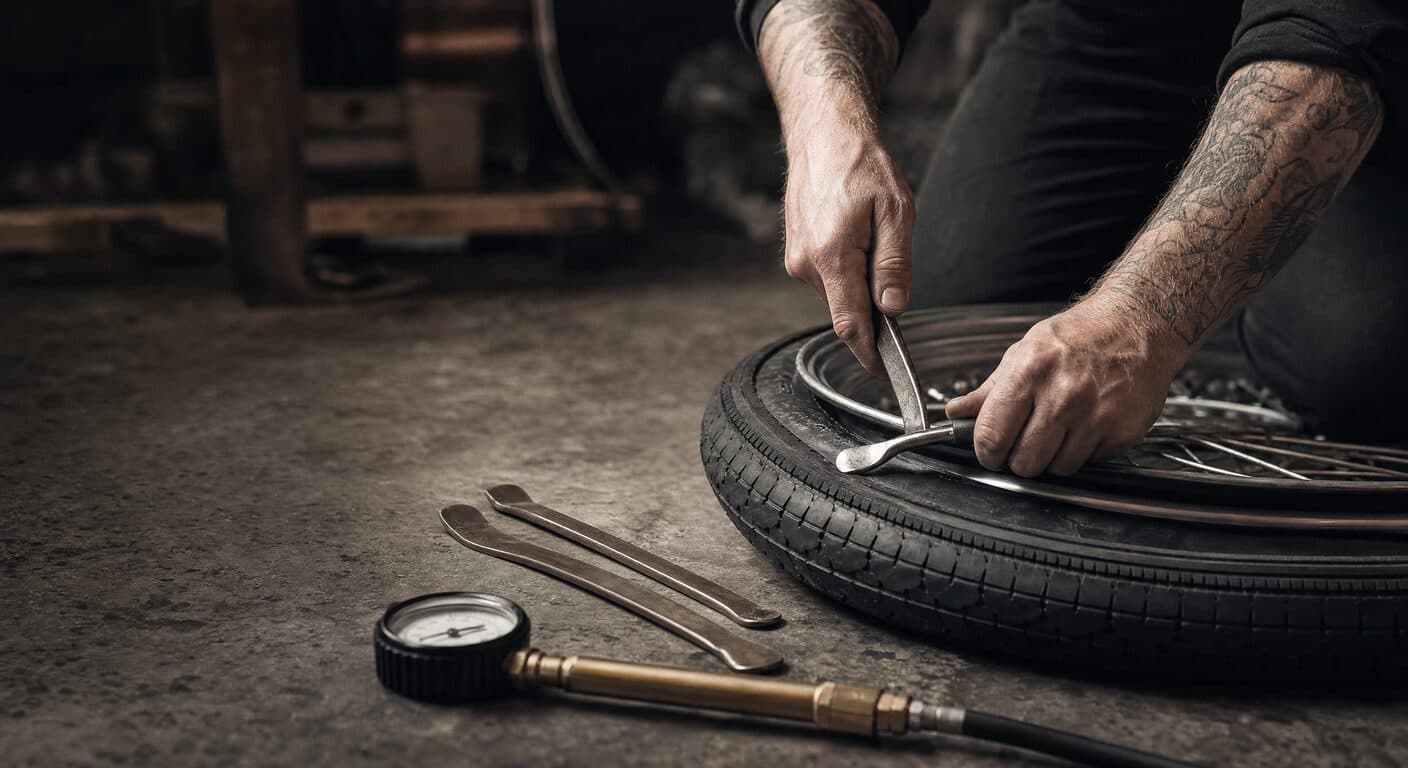
Your motorcycle sits in the garage, the sun shining on that beautiful glossy frame, and you feel that itch to jump on and hit the road. But wait a moment. Before you ride, there's something simple yet crucial you need to check: your motorcycle's tire pressure. It might sound boring, but checking your motorcycle's tire pressure is one of the most important maintenance tasks you need to do regularly. Incorrect pressure can endanger your safety, wear out your tires faster, and even make your motorcycle feel awkward to ride. Let's go through this step by step.
Why is checking motorcycle tire pressure so important?
Your tires are actually your only contact with the asphalt. If they're not properly inflated, strange things happen. Too low tire pressure leads to more friction, which builds up heat and wears your tires faster. Your motorcycle feels heavier and less responsive, especially in corners. Too high pressure, on the other hand, reduces grip, gives you a harsher ride, and causes uneven wear in the center of the tire.
Then there's the safety aspect. Poor tire pressure can cause tire defects, especially at higher speeds. You don't want to be stranded on the highway with a flat tire. Regularly checking your motorcycle's tire pressure isn't just preventive maintenance, it's pure safety.
The correct pressure also ensures your tires last longer and your motorcycle rides smoothly and stably. This applies to all types of motorcycles, whether you own a classic BMW K100 or you're working on a cafe racer build.
Where do you find the correct tire pressure for your motorcycle?
Before you start pumping, you need to know what pressure you need. This is always listed in your motorcycle manual, but often also on a sticker on the frame or the side of the fuel tank.
Note: the correct pressure is usually listed as "cold." This means you should check the pressure after your motorcycle and tires have been at rest for at least three hours. If you've just ridden, your tires are warm and that reading won't give you the true picture.
For classic machines like the BMW R80 or R100 Series, this pressure usually falls between 2.0 and 2.5 bar for both the front and rear wheels. But check your own manual. For newer models like the K75 or K1100, the values might be slightly different, especially if you've chosen different wheel sizes for your custom build.
Pro tip: write down those values somewhere you can easily find them. For example, on a sticker in your tool kit or in your phone.
Step by step: checking your tire pressure
Step 1: preparation
Make sure your motorcycle has been at rest for at least three hours so the tires are cold. You'll need a tire pressure gauge. These are inexpensive and essential. Some are analog, others digital. For your hobby as a motorcyclist, a good digital gauge really isn't expensive and is much more accurate.
Make sure you have all the necessary tools on hand: the tire pressure gauge, your pump (electric or manual), and possibly an adapter if your pump doesn't fit well.
Step 2: check the current pressure
Unscrew the valve cap from your front wheel. Place your tire pressure gauge firmly on the valve. Make sure you get a good seal, otherwise you'll get an inaccurate reading. Read the pressure.
Write down this number. Repeat this for the rear wheel. You're now gathering information.
Step 3: compare with the correct value
Get your manual and compare. Are both values in the correct range? Great, you're done. Are they below? Then it's time to pump.
Step 4: pump if NECEssary
If your pressure is too low, connect your pump to the valve. Use an electric pump if you have one, but a good hand pump works just fine too. Pump slowly and check occasionally with your gauge.
Stop once you've reached the correct pressure. It's easy to pump too much, so be careful.
Step 5: release air if needed
Sometimes you accidentally pump too much. No problem. Press briefly on the valve with your gauge or a small pin. Some air escapes. Check again. Repeat until you reach the correct pressure.
Step 6: close up
Put the valve caps back on your valves. Make sure they're tight, otherwise dust or moisture can get in.
Which tires do you choose for your motorcycle?
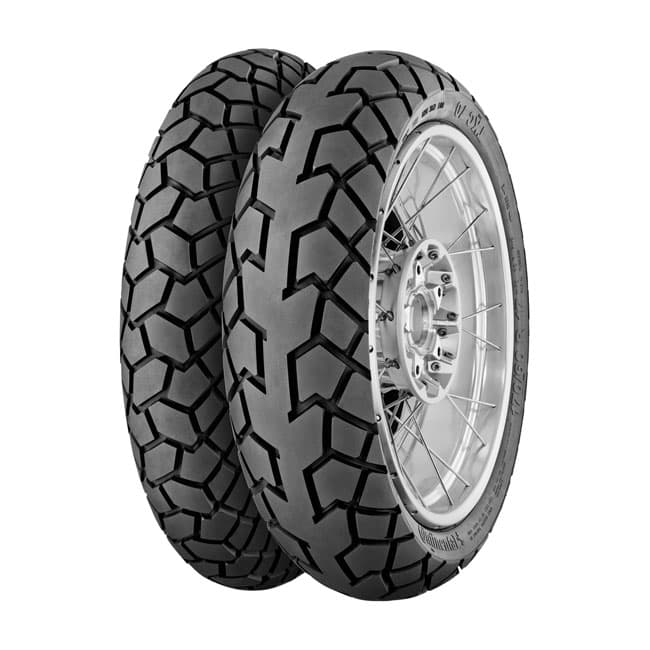
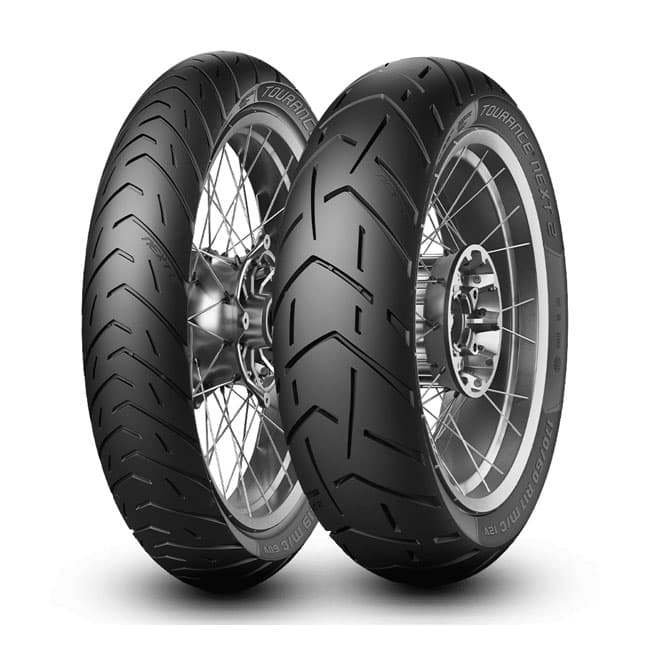
While we're talking about tire pressure, a word about the tires themselves. Checking your motorcycle's tire pressure only works well if you have good tires. For classic BMWs like the K100 or R80 Series, Continental and Metzeler are the standard choices. These brands consistently deliver good quality and stability.
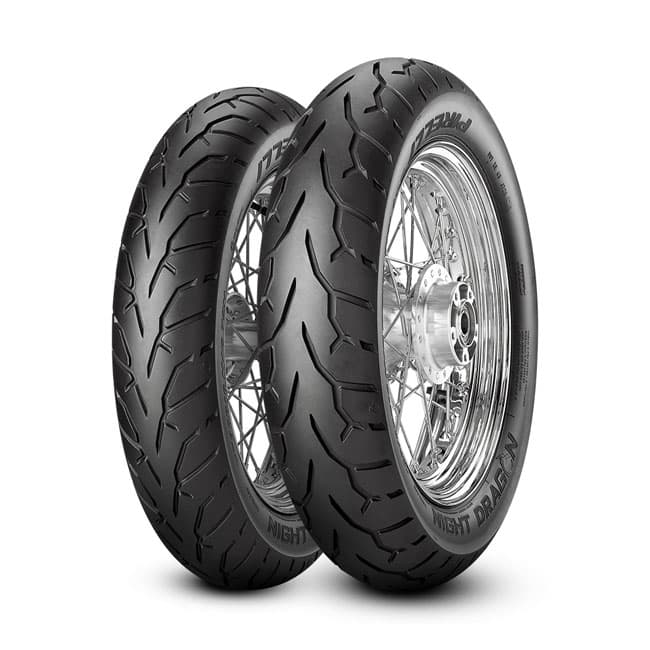
For cafe racer builds with a bit more sportiness, you might consider Pirelli tires. These often offer more grip and responsiveness, though you'll need to check them more frequently for wear and damage. After all, you get more out of your tires when you ride more aggressively.
Incidentally, checking your motorcycle's tire pressure becomes even more important if you choose different tire sizes than standard. Are you experimenting with different wheel sizes in your custom build? Then check carefully what pressure is recommended for those specific tires.
How often should you check this?
Follow a simple rule: check your motorcycle's tire pressure at least once a month. With regular riding (more than a few times a week), every two weeks. For long trips, check one more time on the day you leave before you depart.
Tires slowly lose pressure, especially older ones. This is normal. Additionally, temperature changes (summer to winter) can also affect pressure.
Tips for maintaining your tires
Don't just check your motorcycle's tire pressure, also pay attention to the general condition of your tires. Walk around them and look for wear. Even wear means your pressure is correct. Wear only in the center? Too high pressure. Wear on the sides? Too low pressure.
Also check for cracks, holes, or other damage. This can be an indication that you need to adjust your riding style or that your tires need replacing.
For your cafe racer build or classic motorcycle, well-maintained tires really should be part of the whole package. You want everything to look neat and work properly.
Where do you buy what you need?
At Dapper Motor, we have all the tools and parts you need. For your tires, we always look at what solution works best for your motorcycle. Whether you ride a classic BMW K75, a beautifully restored R100, or you're working on a cafe racer build.
Besides tires, we also have other maintenance materials. And of course our complete assortment of premium parts for your motorcycle: from suspension (YSS, Hagon), lighting (Kellermann, Motogadget), to riding gear from Holy Freedom and Roeg.
In summary: checking your motorcycle's tire pressure is simple
It takes ten minutes. You need almost no tools. And it's absolutely essential for your safety and the longer life of your tires. So do it. Once a month, a quick check to make sure everything is in order.
Your motorcycle will thank you, you'll ride better and safer, and your tires will last longer. Win-win-win.
Have questions about what tire pressure your specific motorcycle needs, or want advice on the best maintenance? Stop by Dapper Motor in Haarlem or check our website dappermotor.com. We're happy to help you with everything you need for a safe and enjoyable ride.
Products from this article
Frequently asked questions
How often should I check my motorcycle's tire pressure?+
You should check your tire pressure at least once a month, and especially before long rides. Always check when the tire is cold, before riding or at least 3 hours after you've stopped. Temperature affects pressure: warm tires give a higher reading.
Where do I find the correct tire pressure for my motorcycle?+
The correct tire pressure is listed in your owner's manual and often on a sticker on the frame, tank, or side of your motorcycle. For classic BMWs like the K75, K100, or R80, this is usually in the original documentation. Keep in mind that some custom builds may have their own specifications.
What happens if my tire pressure is too low or too high?+
Low pressure leads to more wear, poor handling, higher fuel consumption, and can even cause tire failure. High pressure reduces grip, makes the ride harder and uncomfortable, and increases the risk of punctures. Both situations are bad for your safety. Keep your pressure at the recommended level.
What tools do I need to check tire pressure?+
You need at least a good tire pressure gauge. A digital gauge is more accurate than analog. For convenience, you'll also want a pump with a pressure gauge, so you can inflate directly. Many riders keep a portable mini-pump in their tool kit. Make sure your gauge is in good condition and checked regularly.