

Ece 22.06 certification explained: what does it mean for your helmet?
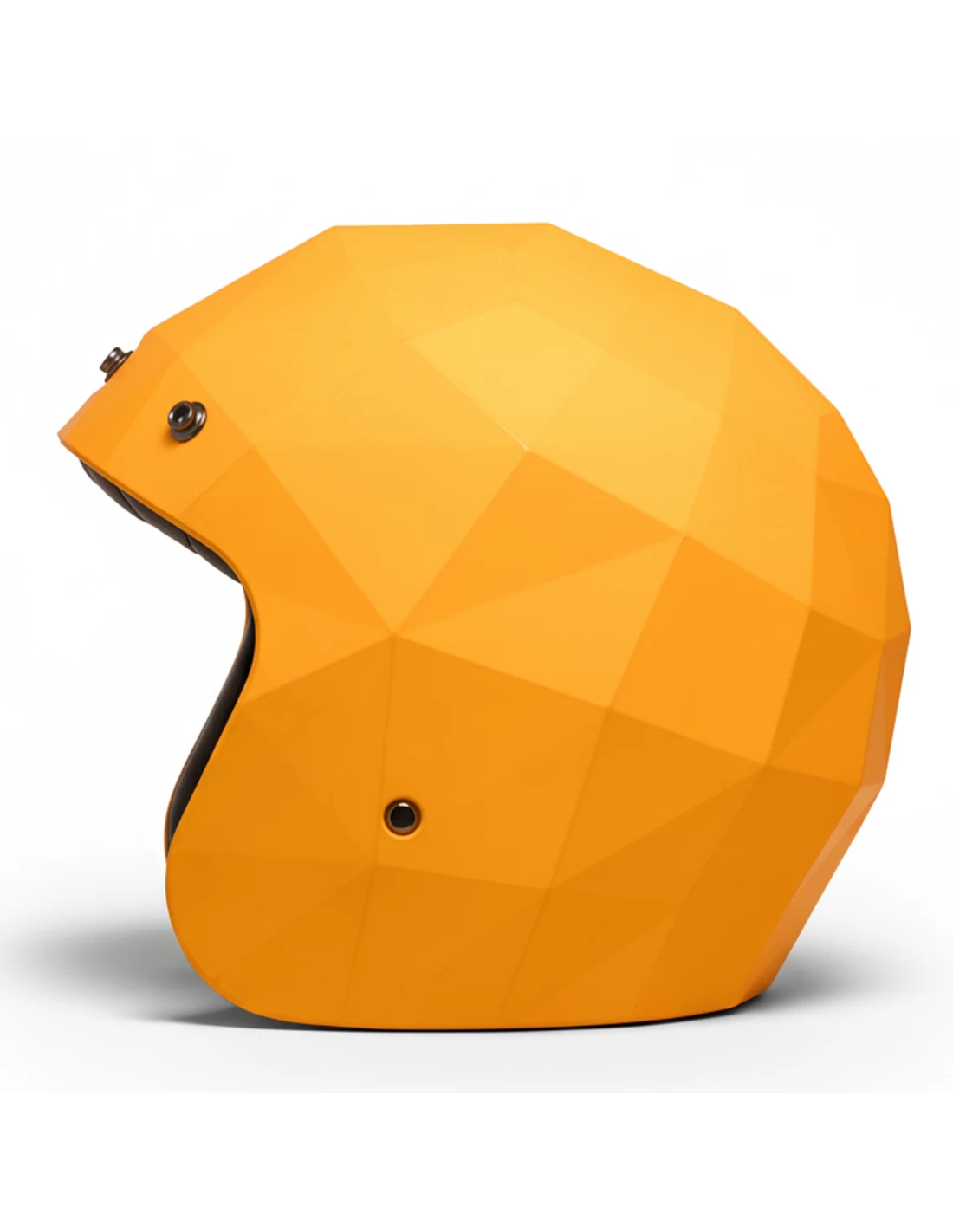
ECE 22.06 Certification Explained: What It Means for Your Helmet
You've just found an awesome retro helmet—maybe a Bell Bullitt GT or a classic Roeg Peruna—and then you spot that mysterious ECE 22.06 label. Sure, but what does that actually mean? And why should you care? Let's be honest: when you put a helmet on your head, you want to know it actually protects you. ECE 22.06 certification is exactly the proof you're looking for.
In this article, we'll dive deep into what ECE 22.06 really is, why it exists, and why it matters for you as a rider. This isn't legal jargon or boring regulations—this is about your safety on the bike.
What Exactly is ECE 22.06?
ECE stands for Economic Commission for Europe, an organization that sets safety standards for motorcycle helmets across Europe. The "22" refers to the specific regulations on helmets, and "06" is simply the version number. It's a European standard that countries must comply with.
In the Netherlands, Germany, Belgium, France—everywhere in Europe—your motorcycle helmet must meet this standard. Without ECE 22.06 certification, you can't legally ride on public roads. Some countries enforce this more strictly than others, but it's the standard that matters.
The standard ensures you can't just throw any old thing on your head and call yourself safe. There are real tests, real requirements. A helmet must have shock-absorbing capability, maintain proper fit, and be strong enough to protect your skull.
The Evolution: From 22.05 to 22.06
You might hear older riders say ECE 22.05 was good enough. Technically, they're right—it was the standard back then. But the world changes. Motorcycle riders go faster, traffic conditions are more complex, and our understanding of brain injuries grows.
ECE 22.06 was introduced in 2023 and is essentially the same standard as 22.05, with one major difference: the transition period is over. Helmets must be tested more rigorously, especially for rotational forces and side impacts. This is what many manufacturers have been working toward.
For you, it means new helmets you buy today are better than ones from five years ago. Not hugely better, but measurably better. At Dapper Motor, we carry helmets that meet both standards—old classics with the 22.05 stamp can still do the job just fine.
The Testing Procedures: How a Helmet Gets Certified
A helmet doesn't just get ECE 22.06 certification handed to it. Manufacturers must send their helmets to independent testing laboratories where they get seriously beaten.
The tests are intense. We're talking about helmet drops at speeds of around 7.5 meters per second against various surfaces. The helmet gets hit from different angles—front, back, sides—and everything is measured. Crack anywhere? The helmet fails.
Beyond that, the retention system is tested—that chin strap. It can't suddenly pop open on impact. The rider's field of vision is tested too, along with helmet ventilation.
As the helmet owner (you, that is), you don't need to worry about any of this. The work is already done. But it's good to know someone took it seriously.
Why Certification Actually Matters
Imagine you're riding on a sunny Sunday, feeling invincible on your BMW cafe racer, and suddenly something goes wrong. A car cuts you off or you miss a corner. Where do you take the impact first? Your head.
A poorly certified helmet can literally fail to protect you. The foam can compress without bouncing back. The shell can crack. Worse still: you can suffer rotational forces to your head that cause serious brain injury.
ECE 22.06 certification guarantees this doesn't happen. Well, "guarantees" is a strong word—it massively minimizes the risks. The helmet you buy is essentially tested three times by the lab, retested at the manufacturer's warehouse, and sometimes again before it gets to you.
At Dapper Motor, we only sell helmets from brands like Bell and Roeg that take this certification seriously. You're not buying just anything—you're buying verified safety.
Helmets You Can Trust
Let's get concrete. If you're looking for a classic with ECE 22.06 certification, you have options.
The Bell Bullitt GT is an absolute classic. This helmet combines the retro look you want with the modern safety technology you need. The shell is made of fiberglass-reinforced nylon, and the inner padding absorbs shocks in ways that would have been unthinkable twenty years ago. ECE 22.06 certified, naturally.
The Bell Moto-3 is the budget option in this segment—a true classic without the premium price tag. Still fully ECE 22.06 certified. You get a helmet that looks like it came from your father's era, with today's safety standards.
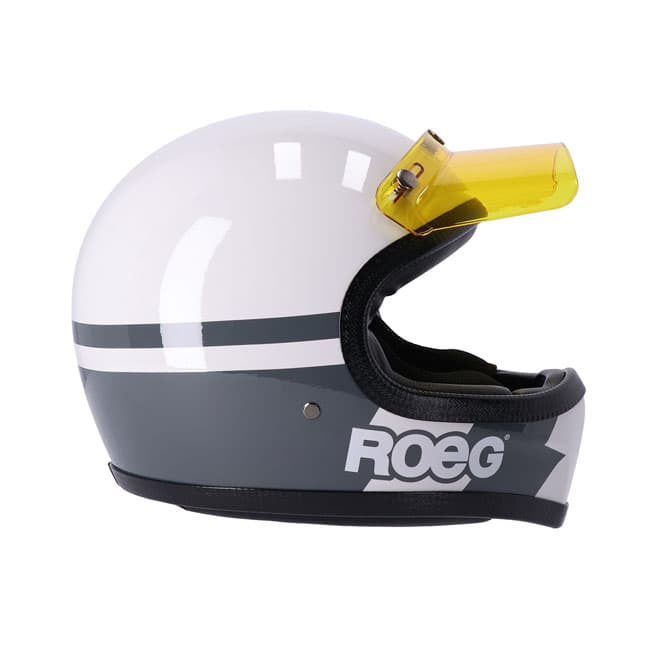
And then there's the Roeg Peruna. This is a helmet for someone who doesn't compromise style for safety. The construction is impressive—three-layer shell, multiple layers of absorption foam—and the design is so good that you wonder how it even passed ECE 22.06. But it did.
All these helmets are in stock with us. You can touch them, try them on, experience them. That's better than ordering online blind.
How Do You Check if a Helmet is Really Certified?
This is important: not every helmet with "ECE" stuck on it is actually certified. There are counterfeit helmets, especially online from unreliable sellers.
Real ECE 22.06 certification is shown on a label inside the helmet. This label must clearly state:
- "ECE 22.06" (not just "ECE")
- The certification country (usually issued in Europe)
- A unique certification number
- The manufacturing code
Do yourself a favor: if you're not sure, ask. With us, it's easy to check. We don't sell anything that isn't properly certified.
Different Helmet Types and Their Requirements
Did you know ECE 22.06 actually recognizes multiple helmet types? Not every helmet has to be exactly the same.
Full-face helmets (completely closed) must meet all requirements. These are the safest, but they can get hot and visibility is sometimes limited.
Open-face helmets (chin free, but front protected)—classic for cafe racers—have more design flexibility. They still need to pass ECE 22.06, but the test procedures are slightly adjusted.
Modular helmets (chin bar flips up) are a hybrid. They must test both configurations as both full-face and open-face.
Helmets like the Bell Bullitt GT fall in the open-face category. They're not less safe, just different. They fit better with the retro cafe racer vibe you probably want.
The Practical Side: ECE 22.06 and Insurance
Here's where it hits home: many motorcycle insurance policies in the Netherlands require ECE 22.06 certification. Without it, they can refuse to pay out in an accident. Worse: you're not even legal on the road.
Always check your insurance policy. Most just require an ECE-certified helmet, but some specifically mention 22.06 versus earlier versions. Better safe than sorry.
At Dapper Motor, we always provide certification details when you buy a helmet. You know exactly what you have.
How Do You Keep Your Helmet Working Right?
ECE 22.06 certification is nice, but it doesn't help much if your helmet doesn't fit properly or gets damaged.
Fit is everything. A helmet that doesn't fit properly won't protect you well. It shouldn't press on your nose, but it can't be loose either. Try it on before you pay. If you buy online, check the return policy.
Maintain your helmet. The foam interior gets used to your head, but also to UV radiation and moisture. After three to five years, the absorption capacity declines. It's worth replacing it.
Check for damage. Had a (minor) accident? Inspect your helmet. Micro-cracks can really affect its protective value. After a serious impact, it's smart to buy a new one regardless of how it looks.
Use a helmet bag. Your Bell Bullitt GT deserves respect. A good helmet bag protects against dents and scratches.
ECE 22.06 vs. Other Standards Worldwide
Outside Europe, there are different standards. Americans use DOT certification. The Japanese have their own JIS standard. Australia has AS/NZS.
Are these equally safe? Roughly, yes. There are minor differences in how they test, but they're all serious. You can take a DOT helmet into Europe and nobody will give you trouble—technically ECE 22.06 is required, but enforcement varies.
What we recommend: get your helmet with ECE 22.06 certification where possible. Why compromise?
What to Look for When Buying
You're now ready to buy a helmet. A few things to keep in mind.
Brand and reputation: Bell and Roeg aren't unknowns. They've been in the helmet business for decades. That counts.
Color and design: This sounds odd, but helmet color can affect visibility. Brighter is usually better. A black Roeg Peruna looks cool, but yellow or white is safer.
Aftermarket parts: Want to customize your helmet? Make sure you don't void the ECE 22.06 certification. Adding an aftermarket visor? Check that it's compatible and certified.
Cost: A good helmet is an investment. You'll pay 150 to 400 euros for a decent one. That's nothing compared to what your skull is worth.
Frequently Asked Questions
"Can I wear a helmet without ECE 22.06 certification?" Not legally. Not with us. Maybe somewhere else, but your insurance won't pay out.
"Does ECE 22.06 differ by helmet type?" Yes, a bit. Full-face helmets have stricter requirements than open-face, but all must meet the basic standard.
"How long is ECE 22.06 certification valid?" The certification is permanent. You, as the user, must maintain the helmet properly though.
"Are more expensive helmets always better protected?" Not true. A 200-euro helmet that passes ECE 22.06 protects you just as well as a 400-euro one. The difference is in comfort, materials, and durability.
Conclusion: Safety with Style
ECE 22.06 certification is no marketing gimmick. It's a proven standard that can literally save your skull. Whether you're buying a Bell Bullitt GT, Bell Moto-3, or Roeg Peruna—make sure that label is inside.
At Dapper Motor in Haarlem, you'll only find helmets that take what they do seriously. We stock brands that respect ECE 22.06. We have advice from people who wear them daily. And we have a shop where you can try them on and feel the quality.
Your helmet isn't just protection—it's a statement. It says you take your safety seriously, but you won't sacrifice style. That you want to ride a retro cafe racer, but wake up after an accident.
Want to choose a helmet you can trust? Visit our shop or browse our retro helmet collection. We'll help you find something that fits, that's safe, and that looks damn good.
Products from this article


Frequently asked questions
Is ECE 22.06 certification mandatory for road riding?+
In the Netherlands and most European countries, an ECE 22.06 certified helmet is legally required. This applies to all motorcycle riders and passengers. Riding without proper certification can cost you heavily, or worse - put your safety at risk.
How is a helmet tested according to ECE 22.06 standard?+
ECE 22.06 testing is quite rigorous. Helmets are subjected to impact tests, where they're dropped against test heads from various angles. Chin straps are tested for strength, and field of vision and protective coverage are measured. This ensures your retro Bell Bullitt GT or Roeg Peruna can actually protect you where it matters.
What's the difference between ECE 22.05 and ECE 22.06?+
ECE 22.06 is the newer and stricter version of the standard. The main difference? Better impact-absorbing materials, improved chin strap testing, and superior back-of-head protection. If you're buying a new helmet - especially a classic like a DMD helmet or Holy Freedom - choose ECE 22.06. You get the most modern safety technology wrapped in vintage style.
Where can I find the ECE 22.06 label on my helmet?+
The ECE 22.06 label is usually on the inside of the helmet, on the liner. You'll see a white sticker with the blue ECE logo and the number '22.06'. This is your proof that the helmet fully complies with the standard. All helmets from Dapper Motor - whether it's a Bell, Roeg, or DMD - have this certification mark. Always check it before you ride!