
Buying a BMW K100 as a donor bike: what to look for? checklist and prices
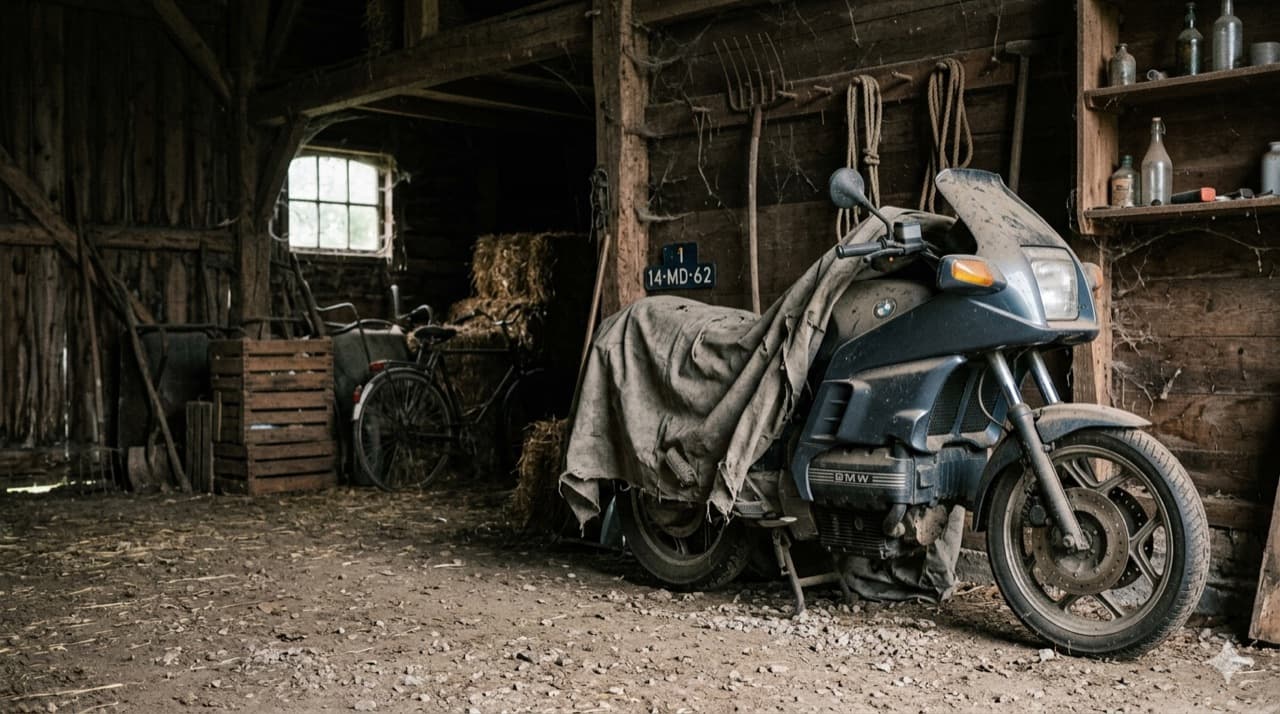
Buying a BMW K100 as a Donor Bike: The Complete Guide
Buying a BMW K100 as a donor bike is a smart move if you want to build a café racer or restore a classic. These engines are reliable, parts are readily available, and prices are still reasonable. But you need to know what to look for, or you'll end up with an expensive pile of rust and worn-out motors. We'll help you navigate the jungle.
Why the K100 Makes a Perfect Donor Bike
The BMW K100 is one of the best foundations for a custom build. These boxer engines from the '80s and '90s are practically indestructible, and they have character that modern engines don't possess. If you do it right, you'll have a bike with a story, not a boring replica of something that's been built a thousand times.
The K100 came in various power outputs—from 60 hp to 100 hp—so you have choices. And while other classics from the same period are already dealing with rust and electrical gremlins, the K100 sits patiently waiting for its next life.
Plus: parts are available everywhere, prices are more stable than race models, and there's a growing community that will support you when things get tough.
Buying a BMW K100 as a Donor Bike: Setting Your Budget
Before you start searching, you need to be realistic about your wallet. It's not just about the purchase price of the bike.
A used K100 in decent condition will cost you between €1,500 and €3,500, depending on:
- Mileage – high kilometers mean more wear, but don't tell the whole story
- Technical condition – does it run smoothly or is it full of rust?
- Documentation – a complete history is worth gold
- Original parts – completeness is valuable
But don't think you're done there. A real café racer build will easily cost you an additional €3,000 to €8,000 for:
- Frame modifications and welding
- Electronics (like a Motogadget m-Unit for modern wiring)
- Brakes and suspension upgrades
- Exhaust, tank, seat, clutch components
- Paint and detail work
Budget for a total of €6,000 to €12,000 for a decent build. That sounds like a lot, but you'll get a unique bike you can be proud of.
Step 1: Physically Inspect the Bike – These Are the Critical Points
You can't rely on photos and a five-minute test ride. You need to do thorough inspections.
The Engine Itself
Start with the basics: does it start? Does it run smoothly or do you hear knocking and ticking? Ask the seller if you can start the engine cold first—many problems become obvious then.
Look at the smoke coming from the exhaust. Blue smoke indicates wear on the piston and cylinder. Black smoke usually means too much oil in the mixture—not ideal, but not necessarily a deal-breaker.
Pull out the dipstick and check the color and consistency of the oil. Dark, viscous oil suggests high mileage without proper maintenance. Lighter brown oil is better. And look for water in the oil—a yellowish-white, milky discoloration under the cap is a bad sign.
Cooling System and Fluids
The K100 has water cooling, which is both a blessing and a curse. Check if the system is clean, free of rust or deposits. Ask when the coolant was last changed.
Start the engine and let it warm up. Monitor how quickly the temperature rises—warming up too fast or not warming at all indicates thermostat problems. Feel both sides of the engine to see if everything warms up evenly.
Check hoses and connections for cracks, bulges, or signs of leaks. Water loss is expensive and doesn't fix itself.
Exhaust Manifold and Cylinders
This is where many K100s have problems. Inspect the exhaust manifold thoroughly for rust and cracks. Some can rust heavily, especially at the top. A loose, crumbly manifold is a sign of years of neglect.
Feel for vibration when the engine runs. Uneven vibration indicates a cylinder misfiring. It could be anything—bad spark plug, fuel injection problem, or worse.
Transmission and Drive
With the K100, you're usually dealing with a manual transmission. Ask if all gears engage smoothly, without grinding or resistance. Shifting should be smooth, not rough or hesitant.
Check the chain drive for wear. A heavily used chain will skip or rattle. Replacement chains are cheap, so this isn't a deal-breaker, but it tells you about the maintenance history.
Take a test ride too. This is essential. The bike should feel good to ride—no strange noises, steady performance, good braking.
Step 2: Check the Paperwork and History
Buying a BMW K100 as a donor bike gets easier when you know what you're buying.
Always ask for the registration certificate and check that the VIN on the frame matches. Also check whether the bike has been officially deregistered or is still registered as active. For a donor bike, this doesn't matter much, but it helps you understand what you have.
Look at the service history. Did the previous owner have regular maintenance done? Are major repairs documented? This tells you a lot about the condition of the machine.
With classic bikes, provenance matters. Is it a Dutch bike or imported? Many K100s from Germany and Belgium rust less than Dutch examples (less road salt there).
Step 3: What to Watch For Your Café Racer Build
If you're really going to build, there are extra things to look for.
Frame Condition
The frame is the heart of your build. Check it for cracks, impact damage, or previous owner welding jobs. Rusty spots can usually be repaired, but structural damage is expensive to fix.
Look especially at the underbraces and reinforcement around the shock mounts. These are high-stress areas, and poor welding here can be disastrous.
Electrical Harness
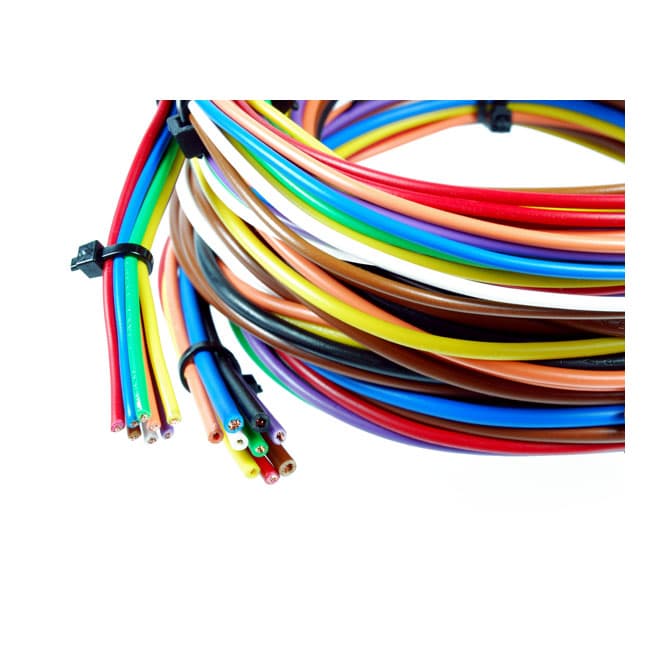
The original K100 wiring can be quite complex. For a full custom build, you'd be better off replacing the entire harness with something modern. A Motogadget m-Unit is popular in the scene—compact, modern, and much more flexible than original.
If you want to keep the original wiring, check the connectors for corrosion and loose wires. Broken electrics are time-consuming to track down.
Shock Absorbers and Suspension
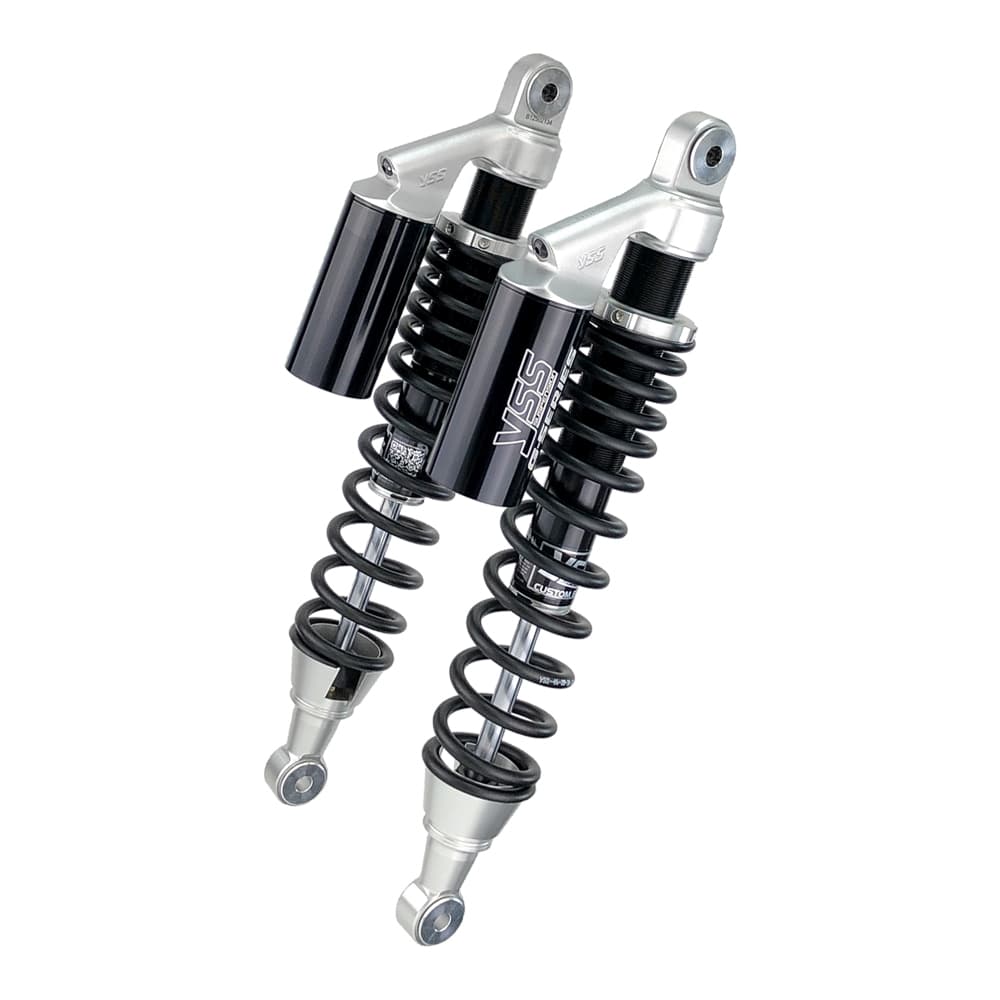
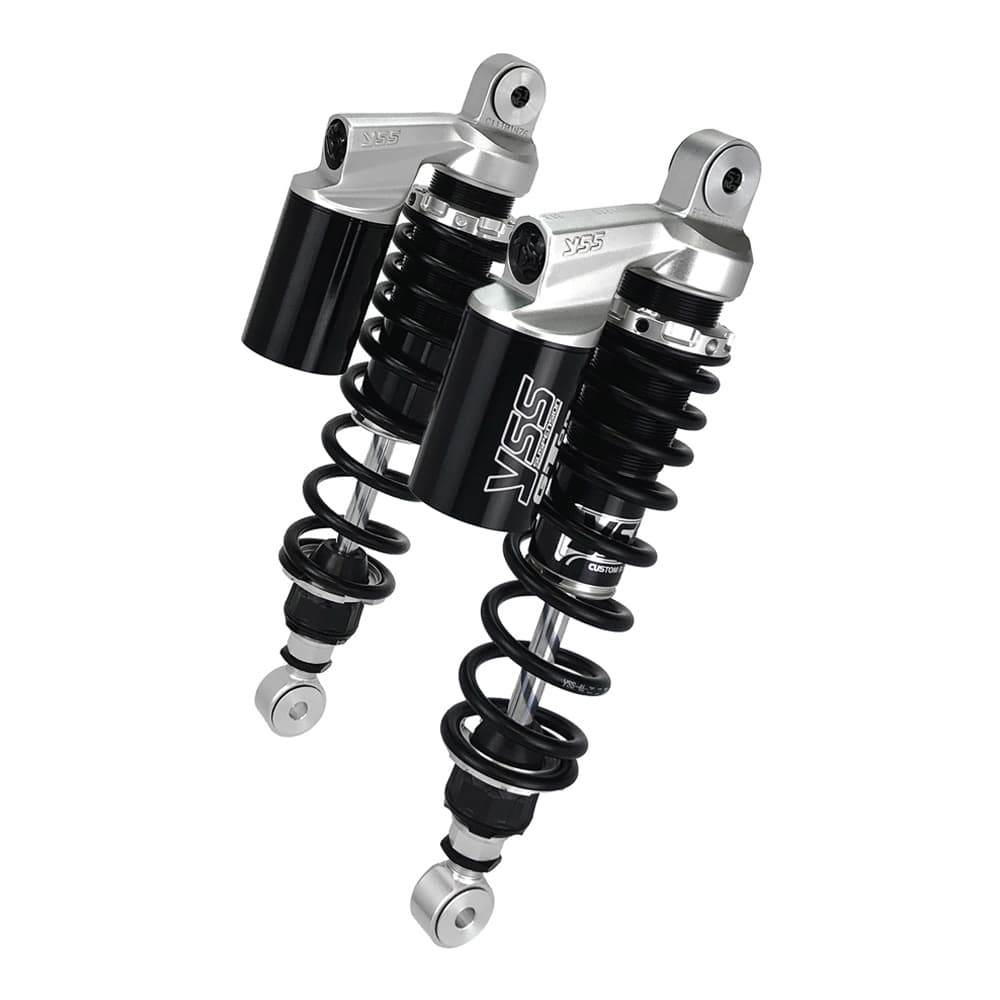
This is where many builders spend money, and rightfully so. Original YSS shocks for the K100 are a popular upgrade. They give you much more control and comfort than worn original dampers.
Check the original shocks for leaks. Leaked oil means they don't work anymore. This makes riding less pleasant, but for a donor bike you're going to replace anyway, it's not a big issue.
Price Guide: What You Should Expect
Since you're considering buying a BMW K100 as a donor bike, knowing what the price should be helps you negotiate.
A K100 in good condition, rust-free, low mileage: €2,500 to €3,500. These are usually well-maintained bikes with complete documentation.
A K100 that works well but shows visible wear, some surface rust, and higher mileage: €1,500 to €2,500. These are the "workhorses"—still excellent as donor bikes.
A K100 that's clearly seen rough weather—rust, high mileage, unclear history: €800 to €1,500. These are bargain finds. They may run fine, but they require more inspection work.
A K100 that won't start or has obvious technical problems: under €800, or even free. You need to be careful here. Could be a great deal, could be a money pit.
The Checklist: Don't Forget These Points
Make this checklist physical and take it with you:
- Engine starts and runs – test both cold and warm
- No blue or black smoke from the exhaust
- Oil quality – check for contamination
- Cooling system intact – no leaks or damage
- Exhaust manifold – no cracks or heavy rust
- All gears shift without grinding
- Chain and sprockets – minimal wear
- Frame intact – no cracks or impact damage
- Electrics working – switches, lights, gauges
- Registration documents present and numbers correct
- Service history – ideally with documentation
- Test ride possible – at least 10 kilometers
Make sure you're not pressured. A good bike will still be good next week.
Where to Find a Suitable K100
Local classified sites have plenty of listings. Searching for "K100" or "K75" yields plenty of results. German and Belgian classified sites can also be interesting—sometimes you'll find stunning examples there.
Motorcycle clubs and forums can provide valuable tips. Sharing experiences helps you filter out the bad ones faster.
And of course: once you have a K100 in your hands, we can help you with upgrades. Whether you need replacement YSS shocks, modern electronics like a Motogadget m-Unit, or other custom parts—we'll help you finish your build project.
Final Thoughts: A K100 as a Donor Bike Is a Smart Move
The BMW K100 is a reliable, affordable foundation for your custom project. With some care and thorough inspection, you won't easily buy a lemon. Make sure you know what you're looking for, inspect more thoroughly than you think necessary, and don't spend money until you've seen everything.
A well-chosen K100 as a donor bike saves you tens of thousands of euros on frame and engine work, and gives you an authentic, vintage engine with a story. That's valuable.
Ready to start your project? Visit our shop in Haarlem, or check out our selection of K100 build parts. We're happy to help you find the right part at the right time.
Products from this article
Frequently asked questions
How much does a BMW K100 donor bike cost in 2024?+
A running K100 costs between €800 and €2,500, depending on mileage and condition. Project bikes without papers are cheaper. At Dapper Motor you'll find reliable examples with full service history.
What engine problems are most common in older K100 models?+
The classics: rust in fuel tanks, poor carburetors, and electrical gremlins. The Bing carburetors can be temperamental. Watch out for examples that have been tinkered with. A thorough pre-purchase inspection saves headaches later.
How do I check if the papers for a K100 donor bike are in order?+
Always request registration documents. For classic bikes check: VIN matches documentation, mileage is correct, and there are no outstanding debts. Some project bikes have no papers – cheaper but more complicated if you want to register it later.
What parts from a K100 can you use for a café racer build?+
Almost everything. The engine, transmission, and frame are your foundation. For café racers: wheelset, brakes, and fork lend themselves well to upgrades with YSS suspension or Hagon shocks. Many builders swap to Motogadget electronics and Kellermann lighting. Original Roeg or Holy Freedom accessories give the desired classic look.