

The margin scheme explained: why a custom motorcycle often falls under it
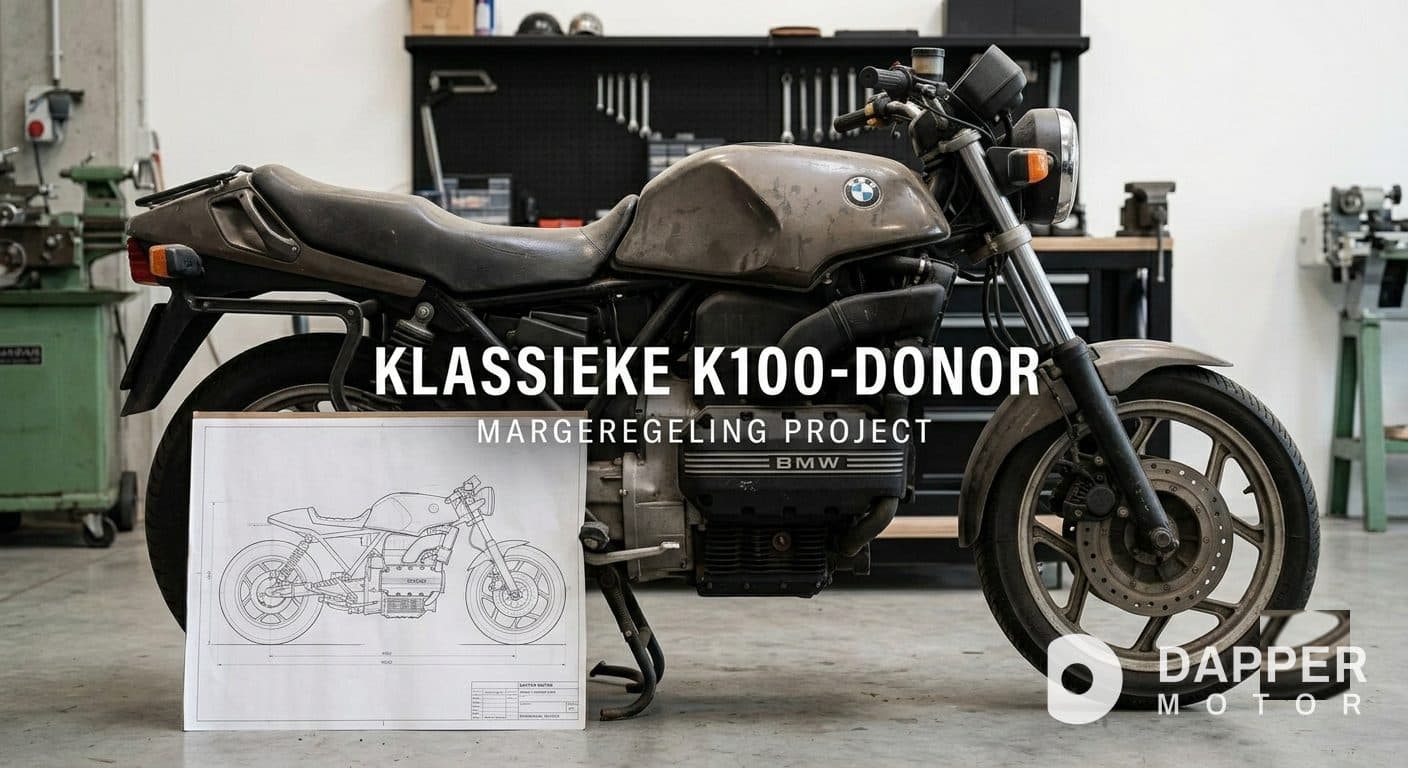
When you ask about VAT on a classic or custom motorcycle, the answer often starts with two words that confuse people: the margin scheme. It sounds technical, but the idea behind it is simple, and it explains why VAT on a custom build works the way it does.
A note up front: this article is general information, not tax advice. Whether the margin scheme applies depends on the sale and your situation. Always confirm with your own accountant or tax adviser.
The idea in one sentence
The margin scheme is a VAT rule for used goods. Instead of charging VAT over the full sale price, the seller charges VAT only over their own profit margin. The buyer sees a price with no separate VAT line on the invoice.
Why classics and customs land here
Most custom builds start with a used donor: a tired BMW K-series or R-series that has already lived a life. Used vehicles are commonly traded under the margin scheme, so the base of your build typically carries no separate VAT. The work and the new parts are a different story, but the foundation often sits under the margin rule.
Not a loss, not a windfall, just neutral
People sometimes worry that the margin scheme costs them a reclaim. It does, in the sense that there is no VAT on the motorcycle to claim back. But there is also no VAT to pay on the motorcycle in the first place. On the bike itself, the two cancel out. The real money is made elsewhere: in the low running costs, and in the VAT you can reclaim on the new parts, accessories and gear, which we cover in reclaiming VAT on your custom motorcycle.
It does not change putting the bike on the books
An important point: the margin scheme is about VAT, not about whether the motorcycle can be a business asset. You can still buy the motorcycle through your company, depreciate it over time and deduct the running costs. How you book it is a question for your accountant, and it is independent of which VAT scheme applied to the purchase.
The bigger picture
Understanding the margin scheme removes the one piece of confusion most people have about a custom motorcycle on the books. For everything else, the absence of benefit-in-kind, the low road tax and the marketing value, read the complete guide to riding a custom motorcycle through your business and run your numbers on the business riding page.
Reminder: general information, not tax advice. Whether the margin scheme applies depends on the sale. Always confirm with your own accountant or tax adviser.
Frequently asked questions
What is the margin scheme?+
The margin scheme is a VAT scheme for used goods, including second-hand vehicles. The seller charges VAT only on their profit margin, not on the full sale price. There is no separate VAT line on the invoice. This is general information, not tax advice.
Why does a custom motorcycle often fall under it?+
A custom is usually built on a used donor, and used vehicles are frequently traded under the margin scheme. As a result there is no separate VAT on the base. Whether this applies in your case depends on the sale and the supplier.
Is the margin scheme an advantage or a disadvantage?+
Neither, really. You cannot reclaim VAT on the motorcycle, but you do not pay VAT on it either. The net effect on the bike itself is neutral. The advantage lies in the low running costs and in the VAT you do reclaim on new parts and accessories.
Can I still put the motorcycle on the books?+
Yes. Whether a motorcycle falls under the margin scheme or the regular VAT scheme is separate from whether you can buy and depreciate it as a business. Confirm the bookkeeping and depreciation with your accountant.